Reading the Signals of the Immune System
A scientific guide to understanding how immune cells communicate through molecular signals and how these signals can be studied to interpret immune responses and disease biology.
Reading the signals of the immune system.
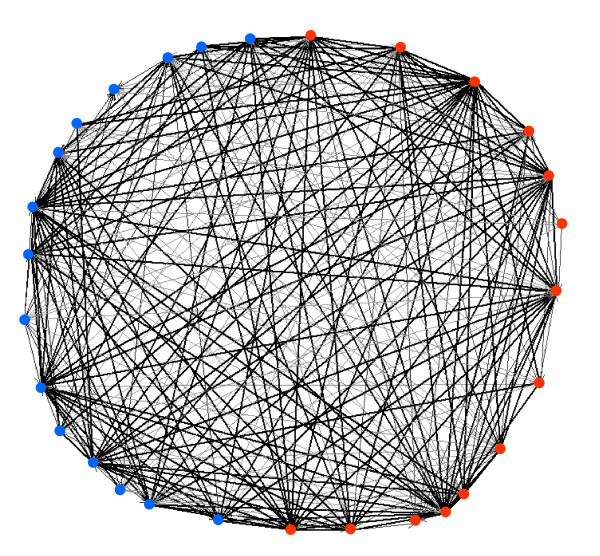
The immune system is not a collection of isolated cells. It is a dynamic communication network in which cells continuously send, receive, interpret and modify biological signals.
SYSTEM BIOLOGICAL NETWORK
The immune system is a language of biological signals.
Understanding immunity means understanding how information moves between cells, how receptors interpret that information, and how intracellular networks transform a signal into a biological response.
The immune system is a communication network.
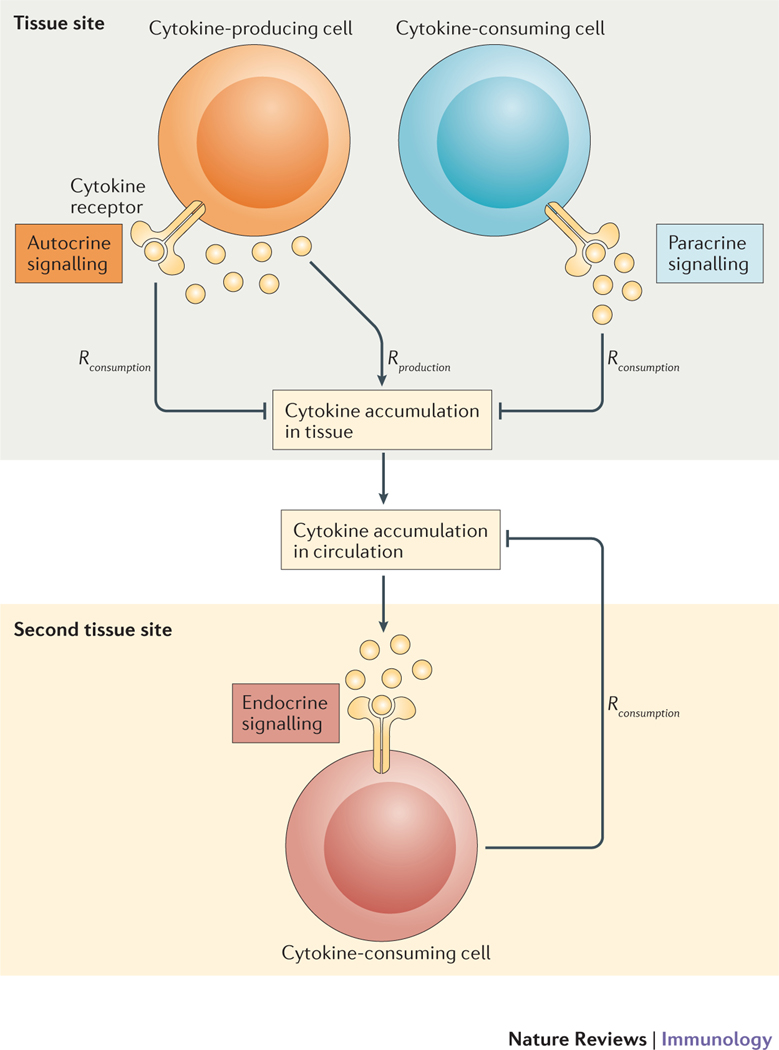
Immune cells rarely act independently. Macrophages, dendritic cells, T cells, B cells, natural killer cells and many other populations continuously exchange information with neighbouring cells and with the surrounding tissue.
Much of this communication is mediated by soluble molecules such as cytokines and chemokines, while other signals require direct cell-cell contact. The result is a distributed biological network: one cell can alter the behaviour of another without physically becoming part of it.
This communication is essential for coordinating inflammation, pathogen defence, tissue repair and the transition between innate and adaptive immunity. It also means that an immune response cannot always be understood by studying a single molecule or cell type in isolation.
Immune communication is both spatial and relational. The meaning of a signal depends not only on the molecule itself, but also on which cell receives it, when it receives it and what other signals are present.
What exactly is an immune signal?
An immune signal is information encoded in a molecular or physical interaction that can modify the state of a responding cell. Cytokines are among the best-known examples, but immune information is much broader than cytokine signalling alone.
Chemokines guide immune-cell migration. Antigen-receptor interactions allow lymphocytes to recognize specific molecular structures. Pattern-recognition receptors detect conserved molecular features associated with microbes or cellular damage. Adhesion molecules can provide positional information and stabilize contacts between cells.
Signals can therefore differ in their molecular identity, concentration, duration, location and combination. These properties provide the immune system with a flexible way to encode biological information.
| SIGNAL TYPE | EXAMPLE | PRIMARY INFORMATION |
|---|---|---|
| Cytokine | Interleukins | Cell-state regulation and coordination |
| Chemokine | CXCL family | Cell migration and positioning |
| Antigen receptor | TCR / BCR | Antigen recognition |
| Pattern-recognition receptor | TLRs | Detection of microbial or damage-associated signals |
The important point is that an immune signal is not simply a molecular message. It is part of an information system in which biological meaning emerges from the relationship between signal, receptor and cellular context.
A signal becomes meaningful when a cell can read it.
A molecule circulating through a tissue does not automatically produce a response. The receiving cell must possess the appropriate receptor and signalling machinery capable of detecting the signal.
Receptors therefore act as molecular interfaces between the extracellular environment and intracellular signalling networks. When a ligand binds its receptor, changes in receptor conformation or organization can initiate downstream biochemical events.
T-cell signalling provides a particularly clear example. T cells integrate information through the T-cell receptor together with co-stimulatory and adhesion interactions. These signals cooperate at the interface between the T cell and an antigen-presenting cell.
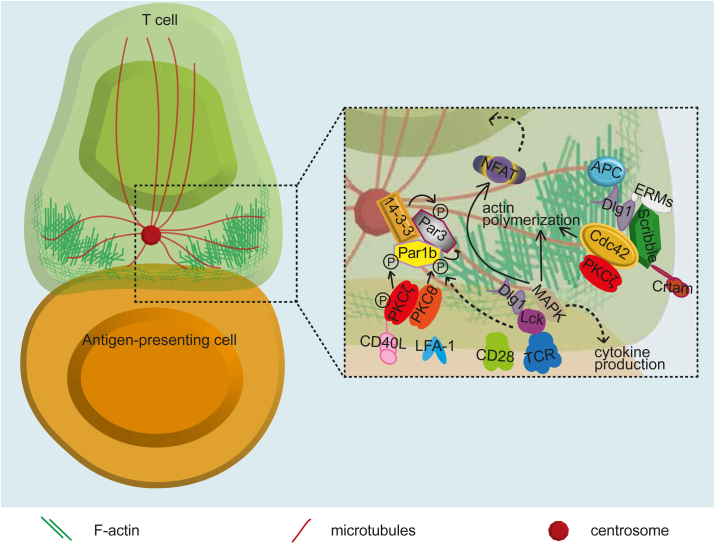
Receptor expression determines which signals a cell can detect. Receptor abundance, localization and activation state can further influence the strength and duration of the resulting response.
Inside the cell, signals are integrated.
Receptor activation is only the beginning of the process. Information must be transmitted through intracellular signalling networks before the cell can change its behaviour.
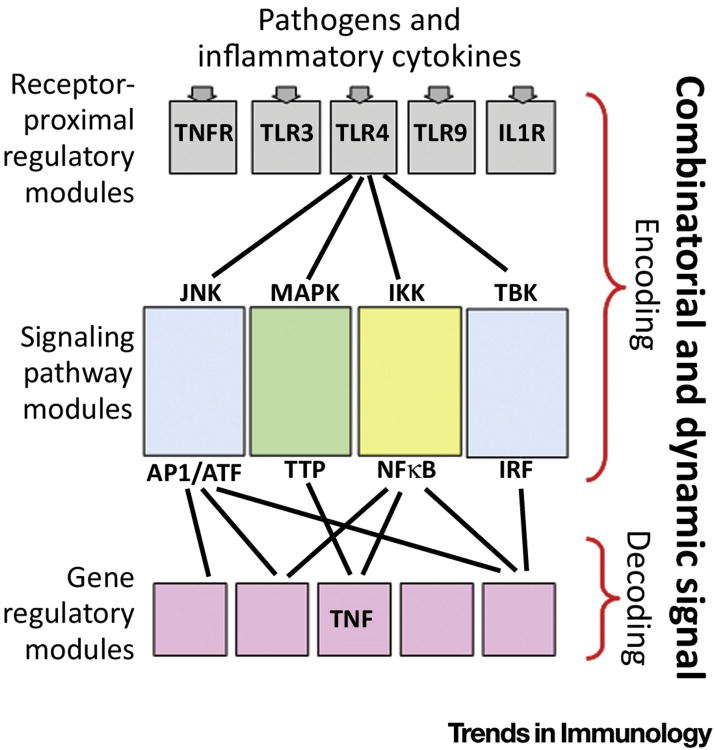
These networks include kinase cascades, adaptor proteins, transcription factors and gene-regulatory mechanisms. Pathways such as MAPK, NF-κB and interferon-regulatory networks can translate extracellular information into changes in transcription, metabolism, proliferation, migration or inflammatory activity.
Importantly, signalling pathways do not operate as isolated pipelines. They interact, converge and sometimes compete. This creates combinatorial control, allowing cells to respond differently to combinations of signals than they would to an individual signal.
The same signal can produce different outcomes.
One of the most important principles of immune signalling is that the same molecular signal does not necessarily produce the same biological outcome in every cell.
Cellular identity, receptor expression, differentiation state, metabolic condition and previous exposure to inflammatory signals can all modify the response. The surrounding tissue also matters. A cytokine released in one biological environment may therefore contribute to a different functional programme in another.
This contextual behaviour helps explain why immune regulation is difficult to reduce to simple one-molecule-one-effect relationships. Biology behaves more like an information-processing system in which signals are interpreted according to cellular and environmental context.
| FACTOR | WHAT IT CAN CHANGE |
|---|---|
| Receptor expression | Whether and how strongly a cell detects a signal |
| Cell identity | The biological programme available to the cell |
| Signal combinations | Integration and interpretation of multiple inputs |
| Timing | Duration, adaptation and sequence of responses |
| Tissue context | Local environmental constraints and interactions |
This contextual view is increasingly important in modern immunology, where researchers measure many signals simultaneously instead of studying them independently.
Immune signals are dynamic.
Immune communication changes continuously over time. A signal may appear rapidly after stimulation, reach a peak and then decline. Another signal may emerge later and reshape the response.
Spatial organization adds another layer of complexity. Signals can remain highly localized around a cellular interaction, diffuse through tissue, or enter circulation and influence distant sites. The immune system therefore communicates across multiple spatial and temporal scales.
This dynamic behaviour is particularly important during inflammation. Early innate signals can activate and recruit additional immune populations, while later interactions help resolve the response or establish adaptive immune memory.
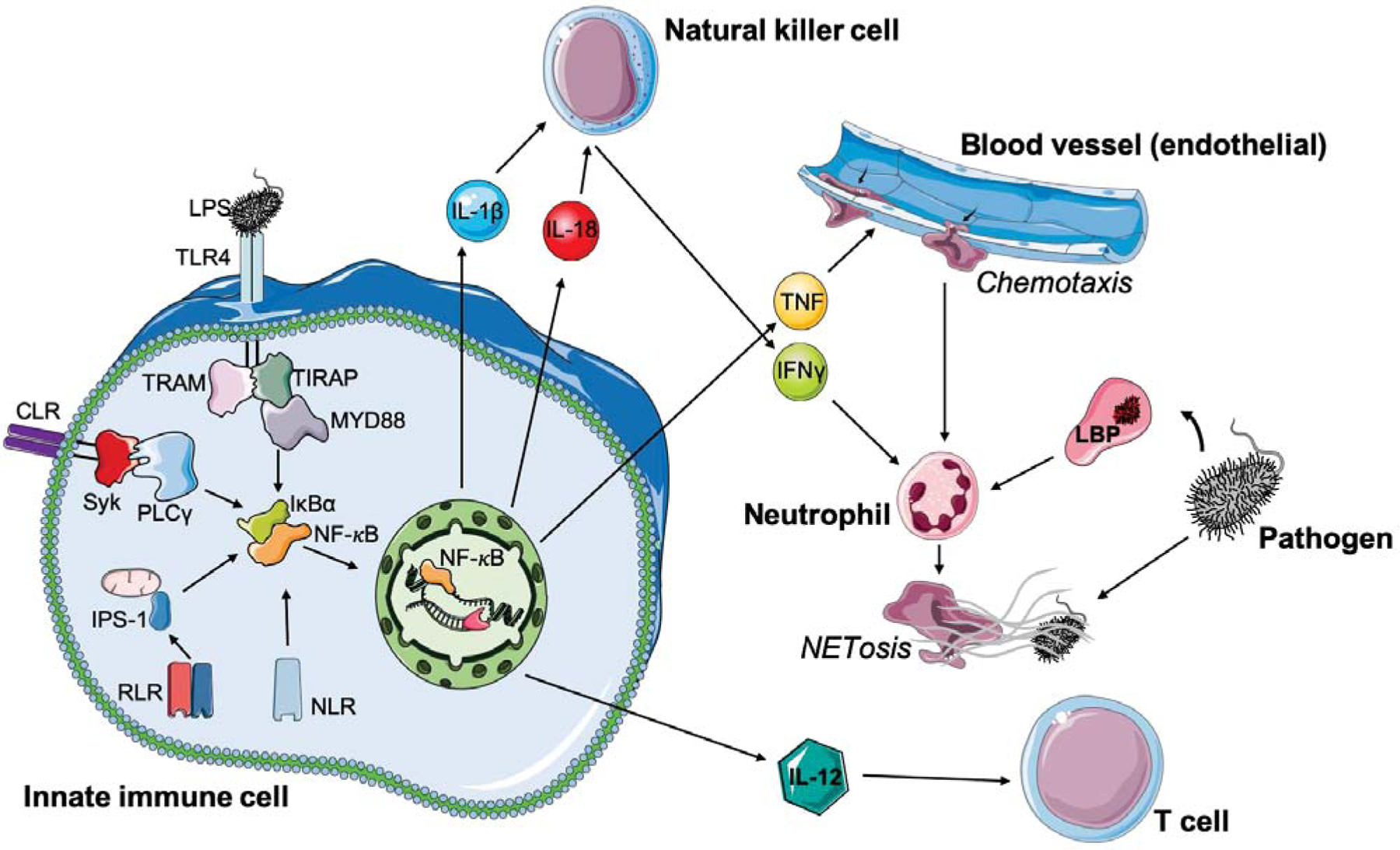
A biological measurement is a snapshot of a changing system. Measuring the same signal at different time points can therefore reveal very different aspects of the underlying immune response.
Modern technologies are changing how we read immunity.
The scale of immune research has changed dramatically. Instead of measuring one molecule or one population at a time, researchers can now combine measurements from many biological layers.
Single-cell sequencing can characterize transcriptional states at cellular resolution. Flow cytometry and mass cytometry can measure multiple cellular markers simultaneously. Multiplexed proteomics can quantify large numbers of proteins, while spatial technologies add information about where cells and signals are located within tissues.
Computational analysis then becomes essential. Large datasets can reveal cellular populations, signalling relationships, molecular signatures and patterns of communication that are difficult to identify using conventional experiments alone.
Cellular states
Resolve heterogeneous immune populations and characterize molecular states at single-cell resolution.
Protein signals
Measure complex protein environments and quantify biological signals across experimental systems.
Biological location
Connect molecular information with the spatial organization of cells and tissues.
From individual signals to biological insight.
The central challenge in modern immunology is no longer simply to identify individual signals. Researchers increasingly need to understand how signals interact, how cells respond to combinations of inputs, and how these interactions change across tissues, diseases and time.
This shift turns immunology into a data-rich systems science. Cytokine measurements, receptor profiles, transcriptomic states, proteomic signatures and spatial information can be combined to construct a more complete picture of biological behaviour.
Such approaches are particularly relevant to biomarker discovery, disease biology, therapeutic research and precision medicine. The objective is not simply to collect more biological measurements, but to connect them into a meaningful scientific context.
A biological signal becomes scientifically valuable when it can be interpreted in context: who produced it, who received it, when it appeared, what other signals accompanied it and what biological state followed.
This is where modern biotechnology increasingly connects experimental biology with advanced biological data analysis. Technologies generate increasingly detailed measurements, while computational approaches help transform those measurements into interpretable biological relationships.
Immunology is not only about what a signal says.
It is about understanding how biological systems interpret information. By connecting immune signals, cellular context, molecular measurements and biological data, modern research can move from isolated observations toward a more integrated view of immune biology.